 Monday, August 31, 2026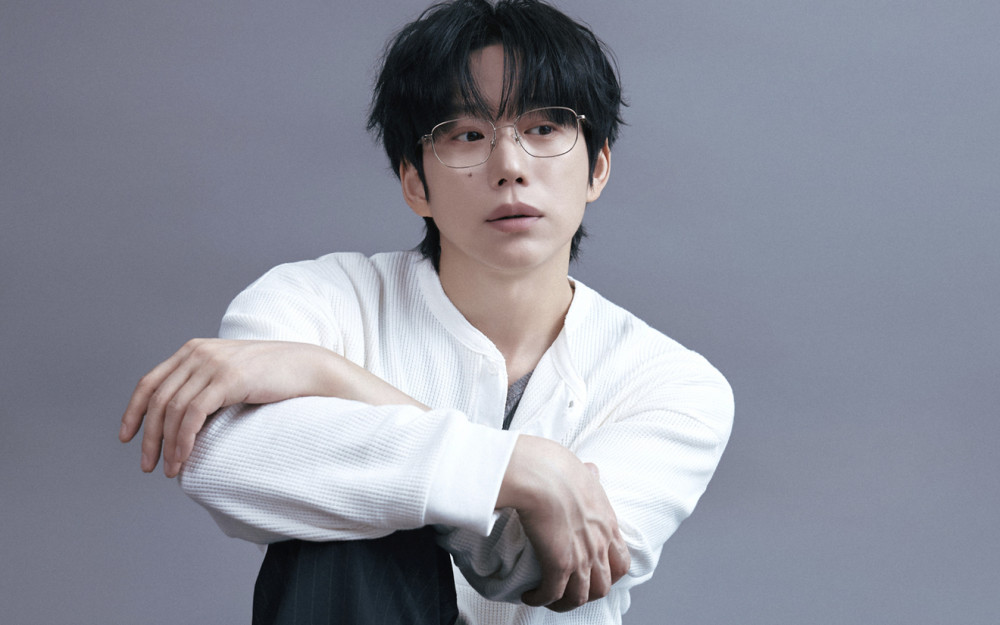
South Korean singer-songwriter 10CM is stepping into a world far removed from the warm, relatable emotions that have defined much of his music.
Known for his distinctive voice and emotionally resonant songs, 10CM has built a devoted following with music that often explores love, longing, comfort, and everyday emotions. But for “The Darkest Night,” his new ending theme for the live-action anthology series 'Strange: Junji Ito’s Tales for Sleepless Nights,' the singer-songwriter embraced something much darker.
The series brings the unsettling imagination of legendary horror manga artist Junji Ito to live action, adapting a collection of his acclaimed stories into a chilling anthology. 'Strange: Junji Ito’s Tales for Sleepless Nights' premiered in Japan in July and features stories inspired by Ito’s distinctive blend of psychological horror, grotesque imagery, obsession, and the uncanny.
For 10CM, the project was particularly meaningful. A longtime fan of Ito’s work, he recalled being genuinely surprised when he was invited to create the series’ ending theme. Rather than leaning into the comforting vocal style audiences may associate with his previous music, he deliberately explored feelings of isolation, despair, and unease in “The Darkest Night.”
The song was also an opportunity for 10CM to experiment. Written entirely in English, “The Darkest Night” uses a dreamlike sound and a darker vocal delivery to complement the eerie atmosphere of Ito’s world. As he explained, he wanted listeners to feel that something was deeply wrong even if they encountered the song without knowing anything about the series.
In this exclusive interview with Tokyohive, 10CM opens up about his longtime love of Junji Ito’s work, the inspiration behind “The Darkest Night,” the challenge of creating music for a horror series, and stepping outside the familiar sound that fans have come to know. He also discusses his favorite Ito work and character, why English felt like the right language for the song, and what he hopes audiences will feel when the music begins to play after the story ends.
So without further ado, here is the full interview with 10CM, marking the release of "The Darkest Night."
Tokyohive
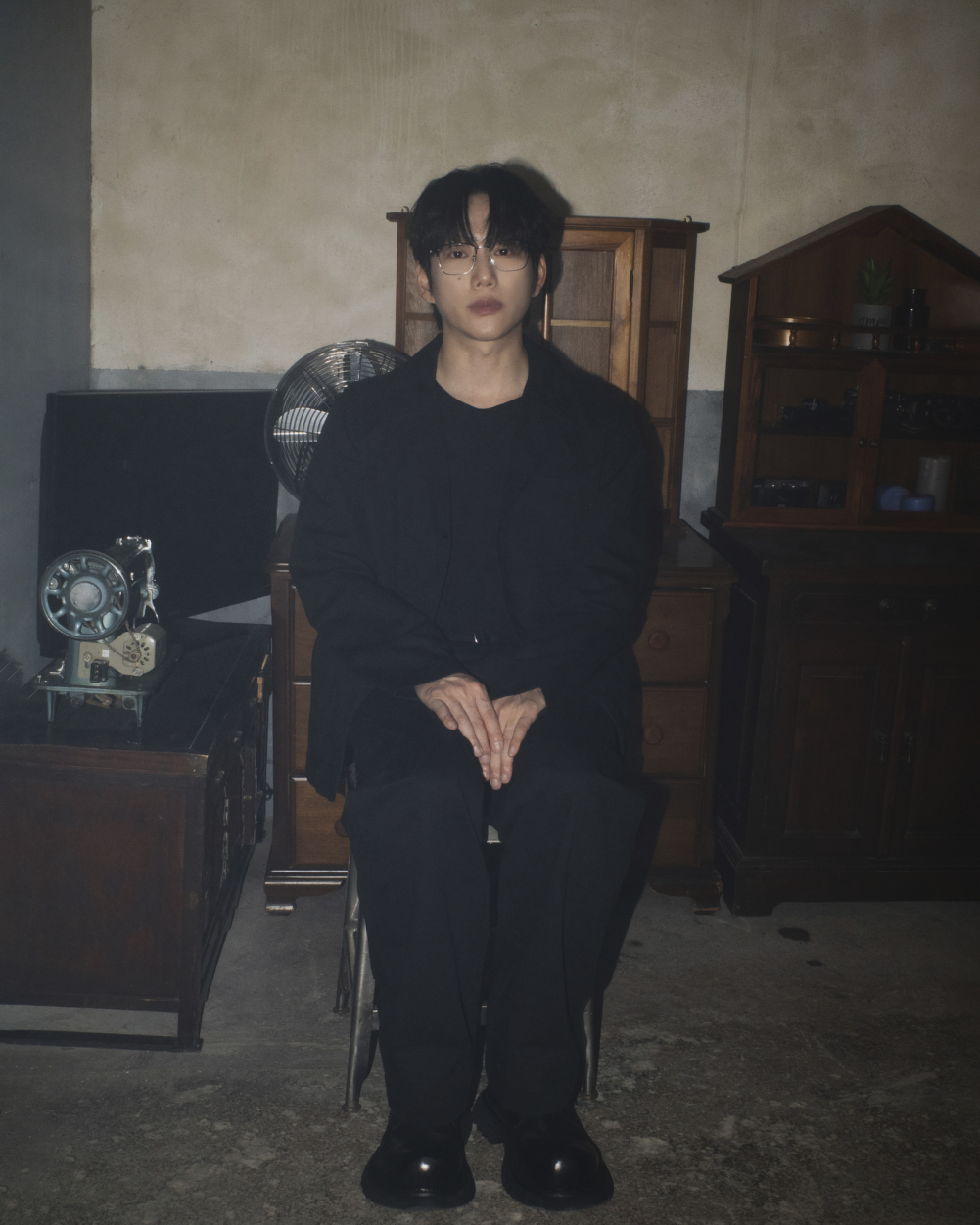
“The Darkest Night” is quite different in atmosphere from the warm, everyday emotions that listeners often associate with 10CM. Your signature sound is often associated with sweet, relatable acoustic indie pop. What was your initial reaction when approached to create the ending theme for a project adapted from legendary horror artist Junji Ito?
10CM
First of all, I was incredibly happy and grateful to be invited to be part of a project by Junji Ito, whose work I’ve loved since I was young. Honestly, when I first heard about it, I think I even had to wonder if I’d heard correctly.
Over the years, as 10CM, I’ve received a lot of love for songs with bright, exciting, and romantic emotions. But if you look closely at my discography, I’ve also consistently released songs that capture darker and lonelier feelings. I personally enjoy that kind of music as well, so working on the ending theme for a horror project was actually something I was able to approach with a lot of excitement and enjoyment.
Tokyohive
Junji Ito’s horror relies heavily on unsettling visual grotesqueness and surrealism. How did you translate that visceral visual dread into purely auditory and acoustic elements?
10CM
I focused more on the sense of isolation and loneliness that I felt within the image, and that became the starting point for creating the song. I think that’s why the melody and lyrics ended up feeling darker and more emotionally heavy than my usual work.
At the same time, whenever I look at Junji Ito’s work, I’ve always been struck by the subtle beauty that exists beneath the eerie and grotesque atmosphere. I wanted to capture that contrast in the song, so I tried to express it through the arrangement and overall sound.
Tokyohive
Junji Ito is considered one of the most influential horror manga artists in the world. Were you familiar with his work before taking on this project? If so, was there a particular story or character that stayed with you? If you had to pick one specific scene or character from Junji Ito's collection—like Tomie or Uzumaki—that directly inspired the tone of this track, which one would it be?
10CM
I think 'Uzumaki,' which I first encountered when I was younger, still stands out as the most impactful work for me. I was deeply fascinated by its bizarre storytelling and incredibly detailed artwork, which felt almost razor-sharp in its precision.
As for the character that stands out most in my memory, it would have to be Tomie from the artist’s debut work.
Tokyohive
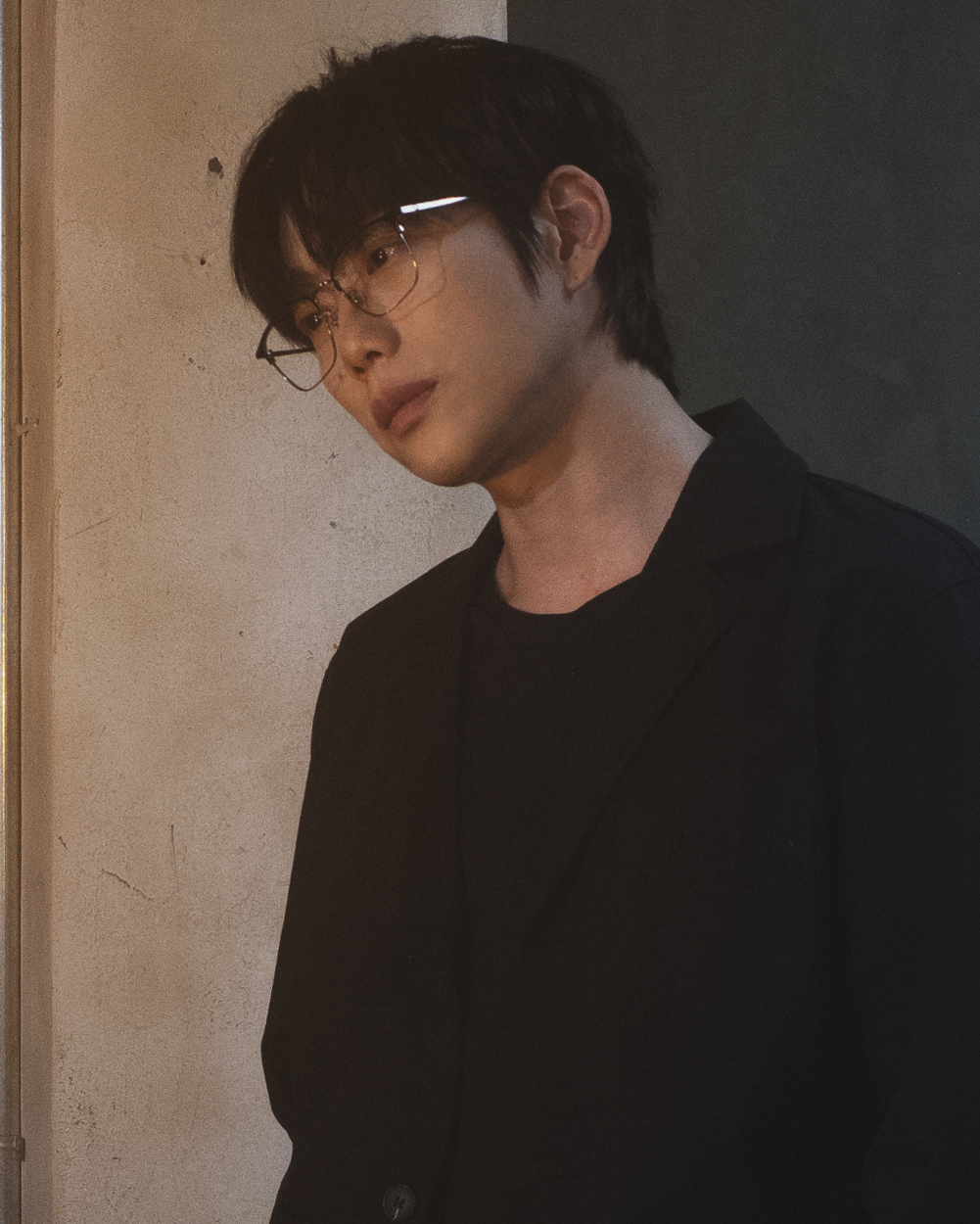
The track balances themes of fear and isolation with a thread of hope and survival. How did you strike the emotional balance in the studio without making the song feel either overly dark or incongruously optimistic?
10CM
Honestly, I don’t think I had a specific intention in mind. It just naturally evolved in that direction as the song came together. I found myself repeatedly reaching for even the smallest glimmer of hope through the melody and lyrics.
When I first started working on the song, I wanted to portray a sense of endless despair. But as I worked on it, I felt that approach didn’t quite fit with the artist’s world. Instead, I found myself drawn to the idea of a protagonist isolated in deep darkness, still holding on to the slightest thread of salvation and hope until the very end. That ultimately led me to create something with a more desperate and sorrowful atmosphere.
Tokyohive
You wrote, composed, and arranged 'The Darkest Night' yourself. Was your creative process different when tailoring a song for an episodic ending theme versus writing a standalone 10CM single?
10CM
Because the project already had such a clearly defined identity, I approached it with the mission of creating a song that could amplify and complement its story. Working within those parameters made many parts of the process feel new and exciting to me.
What I found particularly appealing was that the song would serve as the ending theme. I imagined it playing right as the story reached its climax, so I spent a lot of time thinking about how to make the opening line feel especially powerful. I wanted it to give listeners that sudden, jarring feeling of being caught off guard—almost like a visceral “thud.” After putting a lot of thought and effort into it, I’m proud that I was able to capture that feeling in the final version
Tokyohive
“The Darkest Night” is performed entirely in English. What made you decide that English was the right language for this song?
10CM
I think I ultimately felt that English was the language that best suited the mood of the song. I wanted to create a dreamlike atmosphere through the melody and sound, and during the guide recording process, I felt that replacing the English pronunciation with another language might disrupt that unique quality. So, I decided to complete the song with English lyrics.
It was also my first time writing an entire song in English, so it was a fresh and exciting experience for me.
Tokyohive
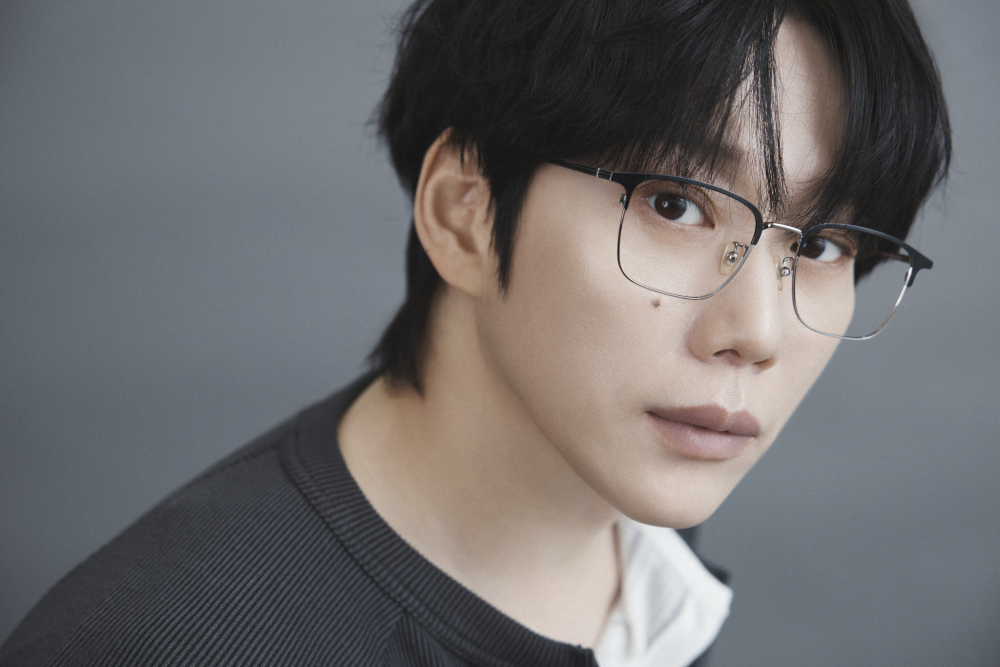
Your voice has such a distinctive warmth and intimacy. Did you intentionally keep that characteristic in “The Darkest Night,” or did you experiment with a darker vocal approach to fit the series?
10CM
I wanted my vocals to feel different from what listeners are used to hearing in 10CM’s music. While my usual vocal style has a certain appeal in how it connects with listeners through relatable emotions, with “The Darkest Night,” I wanted to deliver those emotions in a much sharper and more direct way.
Listeners who have found empathy and comfort in my previous songs—I wanted them to feel something different this time. I wanted to make them feel the isolation and despair in the song so strongly that it would leave them feeling almost suffocated.
Even if someone came across the song purely as a piece of music, separate from the project itself, I wanted them to instinctively think, “I don’t know what’s happening, but something must have gone seriously wrong.”
Tokyohive
What is one side of 10CM that you feel international fans still haven't had the chance to see?
10CM
I think the vocals and sound you hear in “The Darkest Night” will show a side of me that listeners haven’t seen before, so I’m really looking forward to hearing what fans think. With everything I’ve released and performed in the past, I’ve always tried to convey a warm and comforting feeling, so taking on something this dark is almost a first for me. It feels a little unfamiliar, but I’m really enjoying it.
Tokyohive
Finally, what do you hope listeners take away from “The Darkest Night” after hearing it in the context of ‘Strange: Junji Ito’s Tales for Sleepless Nights’?
10CM
The most important thing for me was making sure the ending theme didn’t take away from or interfere with the emotion of the drama in any way. More than that, I hope it can amplify the emotions that viewers experience throughout the story as much as possible.
I personally place a lot of importance on the role and meaning of an ending theme in a drama or film, so while I felt proud to take on this project, I also felt a great deal of pressure. Once the story and all of the directing have come to an end, I hope my music can help carry that emotion forward and leave viewers with a meaningful, lingering feeling.
 SHARE
SHARE







Log in to comment